
What Probate Covers in Clarke County
In Mississippi, probate is a Chancery Court job. Clarke County has no separate probate court. The Chancery Court hears estates of people who have died, wills, guardianships, conservatorships, adult wards, minor wards, trusts, and minor settlements. It also handles the commitment of people who cannot care for themselves. The county court page lists estates of decedents, insurance settlements to minors, land issues, and commitments among the matters this court decides. So the word "probate" here points to the chancery docket, not a courtroom with its own name.
Every probate file passes through the Chancery Clerk. The clerk takes in petitions, opens the case, stores the papers, and keeps the older estate books. The same office records deeds, liens, and board minutes, which is why land and estate questions both land at the Chancery Clerk counter. The county FAQ routes estates, divorce, and land records to this office. Two chancellors hear these cases for the district that covers Clarke County.
Probate touches a wide range of life events. A death may open an estate. A new baby with a court settlement may need a guardian for the money. An aging parent who can no longer pay bills may need a conservator. A child left without a parent may need someone named to care for them. Each of these starts the same way, with a petition filed in chancery and a case number opened by the clerk.
Estate and guardianship work is shaped by state statute. The full text sits in the Mississippi Code public access portal, the official free source for state law.
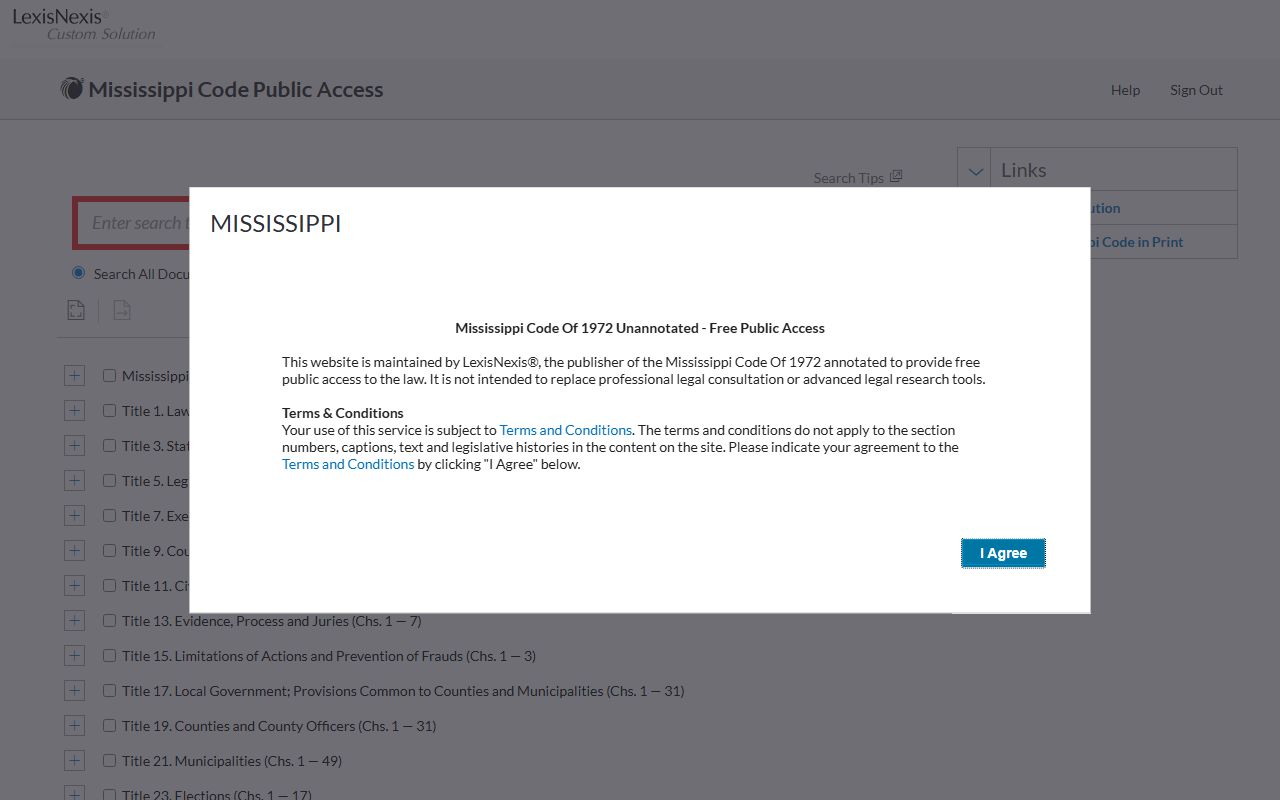
That portal lets a reader confirm how the law treats wills, bonds, and ward protection before a trip to the courthouse. Clarke County estate cases follow these same rules.
Probate Terms Defined
Probate files use words that rarely show up in daily life. A few quick meanings make a Clarke County estate file easier to read. The terms below appear on petitions, orders, and the docket itself.
- Testator
- The person who made the will. Their wishes guide how the estate is split.
- Executor
- The person named in a will to carry it out, gather assets, pay debts, and pass on what is left.
- Intestate
- Dying with no valid will. State law then sets who inherits.
- Administrator
- The person a court appoints to run an estate when there is no will or no named executor.
- Guardianship
- A court role that puts an adult in charge of a minor or a person who cannot care for their own needs.
- Conservatorship
- A court role over the money and property of someone who cannot manage their own finances.
How to Search Clarke County Probate Records
There is no Clarke-only probate website. Electronic chancery cases live in Mississippi Electronic Courts, reached by the public through PAMEC. Clarke County sits in the 12th Chancery District. Its chancery court went live on the system on November 1, 2015. Estate files opened before that date may not be online. For those, the Chancery Clerk counter and vault hold the paper record. PAMEC works much like the federal system: register, log in, pick the court, then search by name or case number.
- Confirm the venue. Estates, wills, guardianships, and conservatorships are chancery matters, so the file is held by the Chancery Clerk.
- For e-filed cases, register with PAMEC and select the 12th Chancery District, Clarke County Chancery Court.
- For older estates or sealed files, call or visit the Chancery Clerk, since records before the go-live date may not appear online.
The public court information page for the district lists the search basics and the status flags used on the docket. The fields below reflect the general chancery search path; exact labels can shift as the portal updates.
| Field Label | Type | Required | Notes |
|---|---|---|---|
| Court | Dropdown / link | Yes | 12th Chancery District, Clarke County Chancery Court. |
| Decedent / ward / party name | Text | Unspecified | Search by the person named in the estate or ward case. |
| Case number | Text | Unspecified | Exact local format is not published. |
| Case type | Dropdown / filter | Unspecified | Probate, estate, guardianship, or conservatorship categories. |
| Filing date | Date / filter | Unspecified | Narrows results to a date range. |
Note: Chancery cases filed before November 1, 2015 may exist only on paper, so older estate files often require a call or visit to the clerk.
Clarke County Chancery Court Office
The Chancery Court for Clarke County is part of the 12th Chancery District. Two chancellors hear its cases: Hon. Amanda Traweek Rainey and Hon. Charles E. (Charlie) Smith. The day-to-day records work runs through Chancery Clerk Leanne Volking. Her office takes estate petitions, files guardianship and conservatorship papers, and pulls older records from storage. Phone, email, and a walk-in counter all reach the same office.
Clarke County Chancery Court / Chancery Clerk
Leanne Volking, Chancery Clerk
101 S Archusa Ave
Quitman, MS 39355
601-776-2126
Fax: 601-776-2756
Mon–Fri, 8 a.m.–5 p.m.
Email the office at chancery@clarkecountyms.gov for record questions. For statewide help with the electronic system, the PAMEC helpdesk answers at 601-576-4650 or helpdesk@mec.ms.gov, mailing P.O. Box 117, Jackson, MS 39205. Divorce and custody files also sit with this clerk, so the office handles much of the county marriage and divorce records work too.
Clarke County Probate Filing Fees
Clarke County does not post a probate fee schedule online. No official cost was found for an estate filing, a guardianship petition, a certified copy, or a will safekeeping service. The safest step is a quick call to the Chancery Clerk before filing. Staff can confirm the current charge and the payment methods they take.
| Probate Item | Fee |
|---|---|
| Estate filing | Not posted; call the Chancery Clerk |
| Guardianship or conservatorship filing | Not posted; call the Chancery Clerk |
| Certified copy | Not posted; call the Chancery Clerk |
| Will filing or safekeeping | No county procedure located |
| Publication | No official fee located |
PAMEC also adds its own charges for online access and per-page viewing. Confirm those rates in the registration terms before you pay. State and online fees are separate from any counter fee the clerk may charge.
What Clarke County Probate Records Show
A chancery estate file builds over the life of the case. Early on it may hold the petition, a death certificate, and the will, if one exists. As the estate moves, the file adds notices to heirs and creditors, court orders, fiduciary bonds or bond waivers, an inventory of property, and periodic accountings. A guardianship or conservatorship file adds a guardian plan, a conservator plan, and well-being reports on the ward. The final order closes the matter and directs how property is shared. Some estates also include claims by creditors, sale of land, and tax filings, each adding its own set of papers to the file.
The docket marks each step with a status flag. These flags are the clearest signal of where a case stands. The chancery system uses a set tied directly to probate and ward work.
- Adult Ward
- Minor Ward
- Guardian Plan
- Conservator Plan
- Inventory Waived
- Trust Account
- Well Being Report
A flag such as Inventory Waived tells a reader the court excused the usual asset list. Trust Account points to funds held for a beneficiary. Reading the flags first often answers a question faster than opening every page.
Restricted Clarke County Probate Records
Not every chancery file is open to the public. Some hold sensitive medical, financial, or minor information that the law shields. Minor settlements, guardianships, conservatorships, and mental-health commitments fall into this group. These files can carry doctor reports, account numbers, and details about a child or a person who cannot consent.
The court also redacts identifiers such as Social Security numbers, birth dates, and financial account numbers from public filings. A sealed case may show only a bare docket shell, or nothing at all. Clerk staff cannot release sealed contents without authority. Adoption files, though handled by the same court, are treated as confidential too.
Good to know. If a probate file is sealed or involves a ward, access usually belongs to the parties, their attorneys, or a person the court names; others may need a court order to view it.
Other Court-Record Resources
Probate cases rarely reach federal court, but a related lawsuit sometimes does. Federal estate disputes, tax matters, and appeals are tracked in their own system. The PACER CM/ECF lookup points users to the right federal court and its docket.
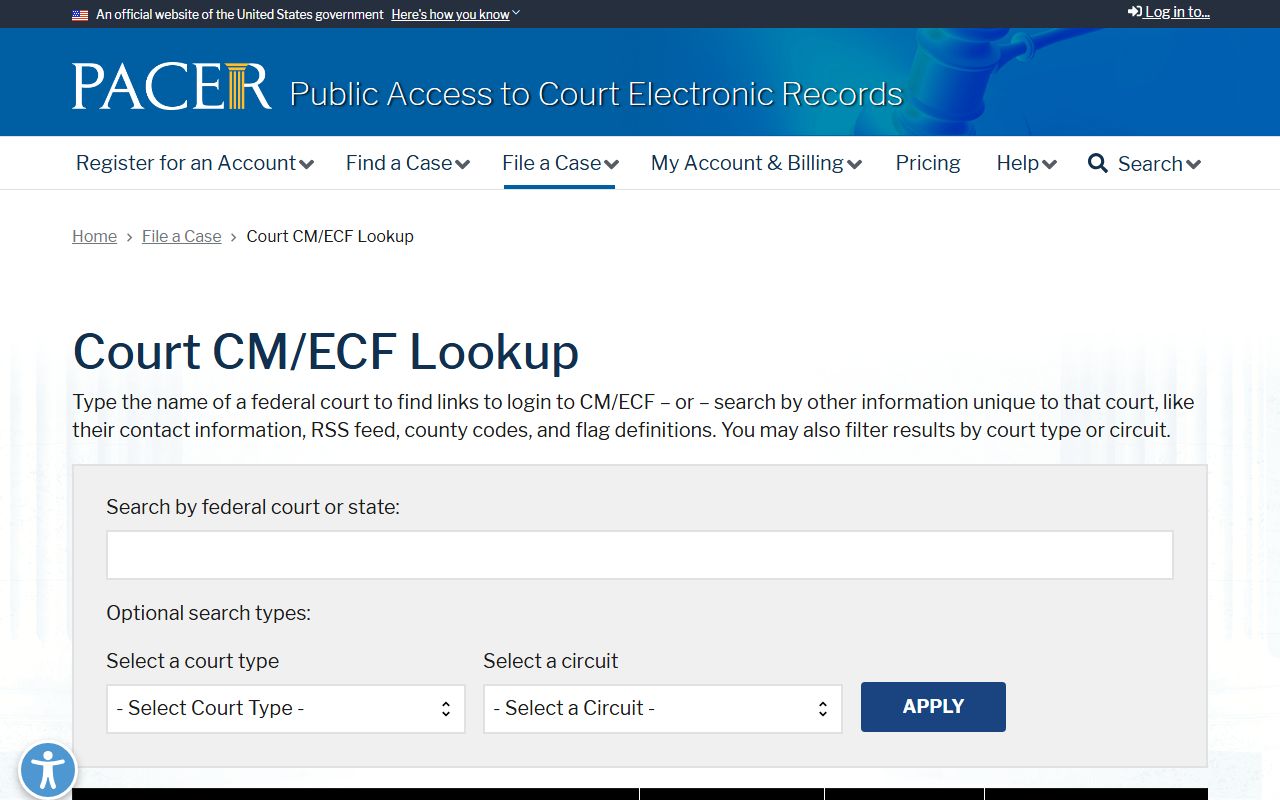
PACER is the official federal access point, and it charges a small per-page fee much like the state system does. For a free option, a nonprofit archive collects many opinions and dockets at no cost.
That free archive is CourtListener, run by the Free Law Project, which gathers court opinions and case data from across the country.
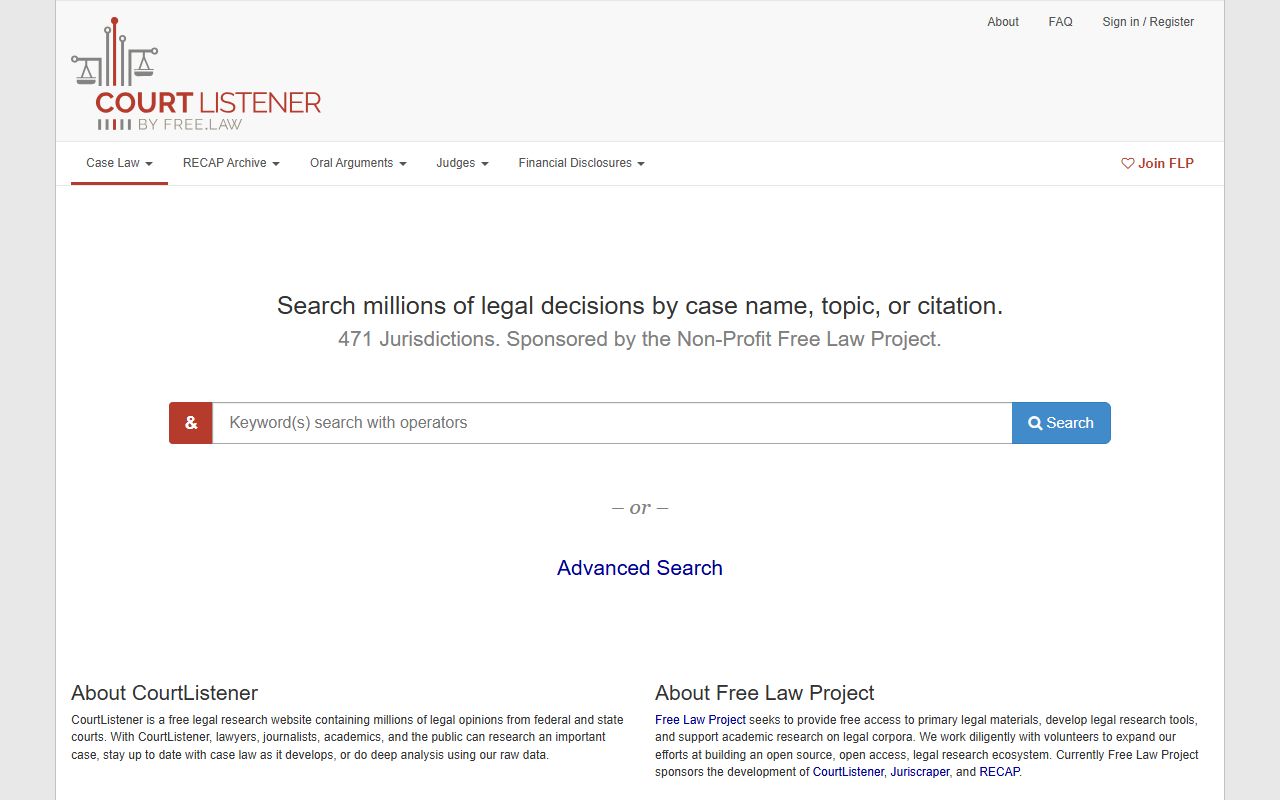
CourtListener will not hold a routine Clarke County estate file, yet it helps with appeals and published rulings. For the estate file itself, the Chancery Clerk and PAMEC remain the first stops.